How to Prevent Moss and Algae Growth on Roofs in High Humidity
Preventing moss and algae growth on roofs in high humidity requires regular cleaning, proper drainage, zinc strip installation, and routine maintenance. In humid climates like Savannah's, where humidity averages 75-80% year-round, these organic growths thrive on roofing materials and can cause significant damage if left untreated.
Understanding the Problem in Humid Climates
High humidity creates the perfect breeding ground for moss and algae on roofing surfaces. These organisms retain moisture against your roof, leading to premature deterioration of shingles, tiles, and other roofing materials. In areas like Historic District and Ardsley Park, where mature tree canopies create additional shade and moisture retention, the problem becomes even more pronounced.
Moss appears as thick, green patches that can lift and damage shingles, while algae typically shows up as dark streaks or stains. Both feed on organic debris and thrive in consistently moist conditions, making prevention crucial for maintaining your roof's integrity and appearance.
Effective Prevention Strategies
Install Zinc or Copper Strips
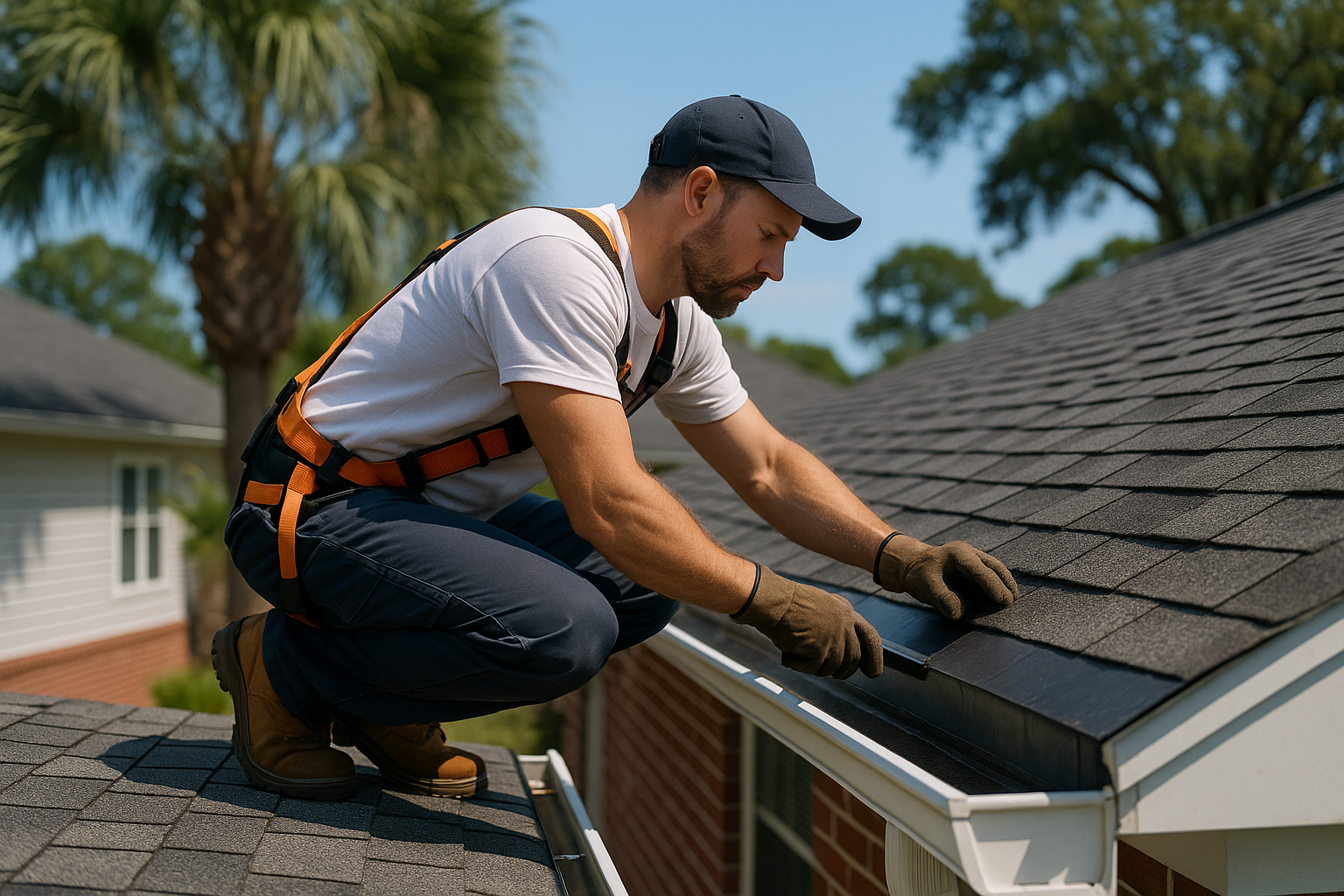
Metal strips installed along roof ridges provide long-term protection against moss and algae. When rainwater flows over these strips, it carries metal ions that create an inhospitable environment for organic growth. Professional roofers can install these strips during routine maintenance or roof replacement projects.
Maintain Proper Drainage
Ensure gutters and downspouts function properly to prevent water accumulation on roof surfaces. Clean gutters regularly and repair any areas where water might pool or back up onto the roof. Poor drainage extends the time moisture remains on roofing materials, encouraging moss and algae development.
Trim Overhanging Branches
Remove tree branches that hang over your roof to increase sunlight exposure and air circulation. This reduces the shaded, moist conditions that prevent moss algae growth roofs high humidity strategies aim to eliminate. Better airflow helps roofing materials dry more quickly after rain events.
Regular Cleaning and Maintenance
Schedule professional roof cleaning every 2-3 years, or more frequently if you notice early signs of growth. Professionals use specialized equipment and cleaning solutions that effectively remove moss and algae without damaging roofing materials. They can also apply preventive treatments that inhibit future growth.
Between professional cleanings, inspect your roof regularly for signs of moss or algae development. Early detection allows for targeted treatment before the problem spreads. Look for green patches, dark streaks, or areas where debris accumulates consistently.
Safe Cleaning Methods
When addressing existing growth, avoid pressure washing, which can damage shingles and force water under roofing materials. Instead, use gentle cleaning solutions specifically designed for roofing materials. Copper sulfate or zinc sulfate solutions can effectively kill moss and algae when applied correctly.
For homeowners in neighborhoods like Midtown and Southside, where humidity levels remain consistently high, establishing a regular maintenance routine becomes essential for long-term roof protection.
Professional Treatment Options
Roofing professionals offer several treatment options to prevent moss algae growth roofs high humidity conditions promote. These include:
- Algaecide treatments that provide 2-3 years of protection
- Moss removal services using specialized tools and techniques
- Preventive coatings that create barriers against organic growth
- Installation of moss-resistant roofing materials during replacement projects
Treatment costs typically range from $300-800 for cleaning and preventive applications, depending on roof size and treatment type. This investment helps avoid costly repairs from moss and algae damage, which can include shingle replacement, decking repairs, and addressing water infiltration issues.
Long-term Prevention Success
Successful prevention requires combining multiple strategies rather than relying on any single approach. Regular maintenance, proper drainage, adequate sunlight exposure, and periodic professional treatments work together to keep roofs free from damaging organic growth.
Consider upgrading to algae-resistant shingles during your next roof replacement. These products contain copper granules that naturally inhibit growth and provide built-in protection against the humid conditions that characterize Savannah's climate throughout the year.
Frequently Asked Questions
- How often should I clean my roof to prevent moss and algae?
- Professional roof cleaning every 2-3 years is recommended, with annual inspections to catch early growth. In high humidity areas, more frequent cleaning may be necessary.
- Do zinc strips really prevent moss and algae growth?
- Yes, zinc strips release metal ions when wet that inhibit moss and algae growth. They provide long-term protection when properly installed along roof ridges.
- Can I pressure wash moss and algae off my roof?
- No, pressure washing can damage shingles and force water under roofing materials. Use gentle cleaning solutions and soft washing techniques instead.
- What's the cost of professional moss and algae treatment?
- Professional treatment typically costs $300-800 depending on roof size and treatment type. This prevents costly damage from untreated organic growth.
- Are algae-resistant shingles worth the investment?
- Yes, algae-resistant shingles contain copper granules that naturally inhibit growth, providing built-in protection in humid climates and reducing maintenance needs.
About the author: Angela Reeves, Managing Editor, Savannah Roofing Solutions. Angela has spent over a decade researching roofing materials and installation practices while helping Savannah-area homeowners understand their options. Her background in consumer advocacy has given her deep insight into the challenges property owners face when selecting reliable roofing contractors. She's passionate about connecting residents with trusted local professionals who deliver quality workmanship.
More roofing guides for Savannah
Need roofing help in Savannah?
Get matched with a vetted local pro — free, no obligation.